
Quick answer: Cloud computing is booming because it turns infrastructure into a pay-as-you-go utility: companies cut capital costs, scale in minutes, work from anywhere and get instant access to AI, analytics and global data centres. The result is a market worth well over $700 billion a year and a chronic shortage of skilled engineers. You can build a career in it by learning one major platform (AWS, Azure or Google Cloud), earning an entry-level certification, building hands-on projects and documenting them publicly.
This guide covers the ten reasons the cloud market keeps growing, cloud roles and salaries in India, a step-by-step roadmap to your first cloud job, a certification comparison, a hands-on example, and the mistakes that slow beginners down.

Why cloud computing is booming
Ten years ago “moving to the cloud” was a bold decision. Today it is the default for start-ups and the stated strategy of almost every enterprise, bank and government department. Ten drivers explain why.
- Cost efficiency. No upfront servers, no data-centre leases, no hardware refresh every four years. You rent exactly what you use on a subscription or per-second basis, and turn it off when you are done.
- Scalability. Resources scale up for a festive-season sale or an IPL final and back down the next morning. Auto-scaling makes this automatic.
- Accessibility and remote work. Data and applications are available from any device with an internet connection, which is what made hybrid and distributed teams workable.
- An innovation hub. Providers spend tens of billions a year on R&D, so a two-person start-up can use the same generative AI models, GPUs, managed databases and analytics engines as a Fortune 500 company.
- Reliability and security. Multiple redundant data centres per region, automatic failover, encryption by default and compliance certifications (ISO 27001, SOC 2, RBI and MeitY empanelment in India) that most companies could never afford alone.
- A data analytics powerhouse. Services such as BigQuery, Redshift, Synapse and Databricks let organisations analyse petabytes without building a Hadoop cluster.
- Built-in disaster recovery. Snapshots, cross-region replication and backup services make recovery from outages or ransomware a matter of hours rather than weeks.
- Environmental responsibility. Hyperscale data centres run at far higher utilisation than on-premises server rooms and are increasingly powered by renewable energy, helping companies meet sustainability goals.
- Cost predictability. Pay-for-what-you-use, budgets, alerts and reserved pricing make spending plannable — provided you set up the guardrails (more on that below).
- Global reach. Deploying to Mumbai, Frankfurt and São Paulo is a configuration change, not a logistics project. Indian SaaS companies serve the world from day one because of this.
Add the generative-AI wave, which runs almost entirely on cloud GPUs, and it is clear why AWS, Azure and Google Cloud are each still growing at double-digit rates.
Cloud roles and salaries in India
“Cloud” is not one job. Typical Indian salary ranges in 2026:
- Cloud Support / Cloud Associate (0–2 years): ₹3.5–7 lakh. Ticket handling, monitoring, basic provisioning.
- Cloud Engineer / Cloud Administrator (1–4 years): ₹6–15 lakh. Designing and deploying VMs, networking, storage, IAM and backups.
- DevOps / Platform Engineer (2–6 years): ₹8–25 lakh. CI/CD pipelines, Terraform, Kubernetes, observability.
- Cloud Security Engineer (3+ years): ₹12–30 lakh. IAM policy, encryption, compliance, threat detection.
- Cloud Architect (6+ years): ₹25–60 lakh. End-to-end solution design, cost optimisation, migration strategy.
Data engineering, MLOps and FinOps are fast-growing adjacent paths. Our cloud computing career roadmap maps these roles against skills and years of experience in more detail.
How to build a career in cloud computing: step by step
- Build the foundation. You do not need a computer science degree, but you do need the basics: how networks work (IP, DNS, HTTP, TCP/UDP, firewalls), Linux command line, and one scripting language — Python is the best choice.
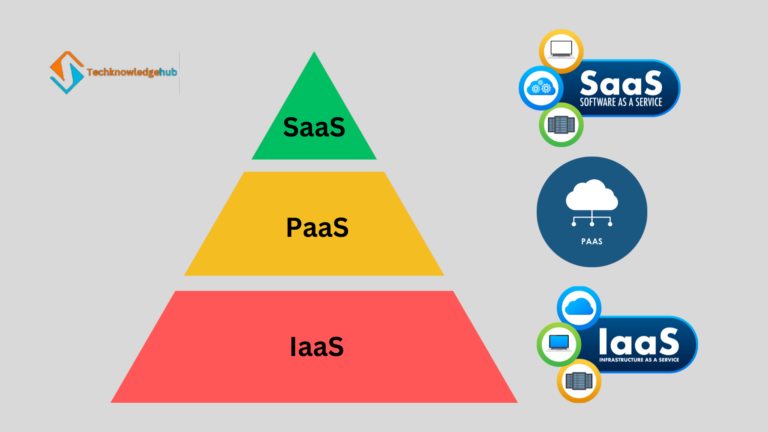
- Understand the service models. Know the difference between IaaS, PaaS and SaaS and when a business should pick each; our explainer on cloud service models covers this in depth.
- Pick one platform and go deep. AWS has the largest job market in India; Azure dominates Microsoft-centric enterprises; Google Cloud is strong in data and AI. Learn one properly before touching a second — the concepts transfer.
- Get hands-on from week one. On the free tier, launch a VM, host a static site on object storage, set up a database, write an IAM policy, break things and fix them.
- Learn infrastructure as code. Terraform and a CI/CD tool (GitHub Actions) are what separate a cloud engineer from a console clicker. Add Docker and basic Kubernetes once the fundamentals are solid.
- Earn a certification. Certifications do not replace skills, but they get your CV past HR filters. Start with a foundational exam, then one associate-level exam (see table below).
- Build a public portfolio. Three to five GitHub projects with architecture diagrams and READMEs: a three-tier web app with auto-scaling, a serverless API, a Terraform-managed network.
- Network deliberately. Join AWS and Azure user groups in your city and post what you build on LinkedIn.
- Apply for entry roles — cloud support, NOC, junior DevOps — and treat the first job as paid learning. Promotions come fast in this field.
- Keep learning and sharpen soft skills. Services change monthly, and communication, documentation and cost awareness matter as much as technical depth past junior level.
Hands-on: your first cloud resources as code
A small, real task you should manage within your first month. First, the AWS CLI to create a bucket and host a static page:
# Configure credentials once (never paste keys into code)
aws configure

# Create a bucket in Mumbai and upload a page
aws s3 mb s3://tkh-portfolio-demo --region ap-south-1
aws s3 cp index.html s3://tkh-portfolio-demo/ --content-type text/html

# List what you own and check the bill is still zero
aws s3 ls
aws ce get-cost-and-usage --time-period Start=2026-10-01,End=2026-10-31 \
    --granularity MONTHLY --metrics UnblendedCost
Then the same bucket in Terraform — how real teams do it, because the file can be reviewed, versioned and re-applied:
terraform {
  required_providers {
    aws = {
      source  = "hashicorp/aws"
      version = "~> 5.0"
    }
  }
}

provider "aws" {
  region = "ap-south-1"
}

resource "aws_s3_bucket" "portfolio" {
  bucket = "tkh-portfolio-demo"

  tags = {
    Project = "learning"
    Owner   = "your-name"
  }
}

resource "aws_budgets_budget" "monthly_guardrail" {
  name         = "learning-budget"
  budget_type  = "COST"
  limit_amount = "5"
  limit_unit   = "USD"
  time_unit    = "MONTHLY"
}
Notice the budget resource. A spending alert on day one is what stops a forgotten GPU instance from becoming a ₹40,000 surprise.
Which certification should you start with?
| Platform | Foundational | First associate-level exam | Best for |
|---|---|---|---|
| AWS | Cloud Practitioner (CLF-C02) | Solutions Architect – Associate (SAA-C03) | Largest job market, start-ups, product companies |
| Microsoft Azure | Azure Fundamentals (AZ-900) | Azure Administrator (AZ-104) | Enterprises, IT services firms, Microsoft shops |
| Google Cloud | Cloud Digital Leader | Associate Cloud Engineer | Data engineering, analytics, AI/ML teams |
| Vendor-neutral | CompTIA Cloud+ | HashiCorp Terraform Associate, CKA (Kubernetes) | DevOps and platform roles across any cloud |
One foundational certificate, one associate exam and a visible project portfolio is the combination that reliably lands entry-level interviews. For the engineer path specifically, read how to become a cloud engineer.
Where to learn: online and offline options
Self-paced platforms such as Coursera, AWS Skill Builder, Microsoft Learn and Google Cloud Skills Boost are excellent for theory and exam preparation, but most learners never finish them. Mentor-led programmes — online cohorts or classroom institutes — add live projects, doubt-clearing, mock interviews and placement support, which is what most career-changers actually need. Whichever route you take, make sure it is hands-on.
Mistakes that slow down cloud beginners
- Collecting certifications without projects. Interviewers ask “tell me about something you built”, not “recite the exam blueprint”.
- Learning three clouds at once. Depth in one beats shallow familiarity with all. Multi-cloud comes later in your career.
- Skipping networking and Linux fundamentals. Most production incidents are DNS, security groups, routing or disk space — cloud does not remove these, it abstracts them.
- Clicking in the console forever. Learn Terraform and the CLI early; employers want repeatable infrastructure.
- No billing alerts. Set a budget before you launch your first instance. Every cloud learner has a horror story; make sure yours is small.
- Ignoring security basics. Public S3 buckets and root-account access keys are the two most common beginner mistakes and the two most common causes of breaches.
Frequently asked questions
Do I need a degree to get a cloud computing job?
No. Many cloud engineers come from non-CS backgrounds, including mechanical engineering, commerce and BSc graduates. A certification, strong Linux and networking basics and a project portfolio matter more than the degree subject.
Which cloud platform should I learn first in India?
AWS has the most openings overall, followed closely by Azure, which dominates in large IT services companies and enterprises. Pick AWS if you are unsure; switch to Azure if your target companies are Microsoft-centric.
How long does it take to become job-ready?
With consistent effort of 10–15 hours a week, most learners reach entry-level readiness — foundational plus associate certification and three projects — in four to six months.
Is cloud computing a safe long-term career with AI automating so much?
Yes. AI runs on cloud infrastructure and increases demand for it. Routine provisioning is being automated, so focus on architecture, security, cost optimisation and platform engineering, which are judgement-heavy and growing.
Key takeaways
- Cloud is booming because it lowers cost, scales instantly, enables remote work and delivers AI and analytics to everyone.
- Entry roles start around ₹3.5–7 lakh in India and climb quickly with DevOps, security or architecture specialisation.
- Learn fundamentals, pick one platform, go hands-on, certify, and publish projects — in that order.
- Infrastructure as code and billing discipline separate serious candidates from console clickers.
Want a structured path with live AWS and Azure projects, Terraform, mentor support and placement assistance? Explore the Cloud Computing course at Techknowledgehub. For free tutorials and career guidance, subscribe to our YouTube channel.